
💡 Key Takeaways
- •Understand the core differences between SEO and AEO.
- •Learn why AEO is crucial for future-proofing your online visibility.
- •Get actionable steps to transition from SEO to AEO seamlessly.
Introduction
In the rapidly evolving digital landscape of 2026, the way businesses approach search engine optimization has undergone a seismic shift. As traditional SEO strategies encounter diminishing returns, Answer Engine Optimization (AEO) emerges as the new frontier, reshaping how brands connect with their audiences.
The fundamental transformation in search behavior and technology demands a reevaluation of how businesses optimize their online presence. Traditional SEO, once the cornerstone of digital marketing, primarily focused on ranking websites higher in search engine results pages (SERPs) through keyword optimization, backlink building, and technical enhancements. However, as search engines like Google increasingly prioritize user experience and intent, these methods are proving less effective.
Enter Answer Engine Optimization (AEO), a strategy designed to provide direct, concise answers to user queries, often utilizing AI-driven platforms such as ChatGPT and Google's AI algorithms. This shift is not just a trend but a necessity for staying competitive in the digital marketplace.
Key Drivers of AEO Adoption:
-
Voice Search Dominance: With the surge in voice-activated assistants, such as Alexa, Siri, and Google Assistant, optimizing for voice search is critical. Users expect immediate, accurate responses, making AEO indispensable.
-
AI and Machine Learning Integration: AI technologies are revolutionizing search dynamics. Leveraging AI and machine learning helps businesses understand user intent more accurately and deliver precise content.
-
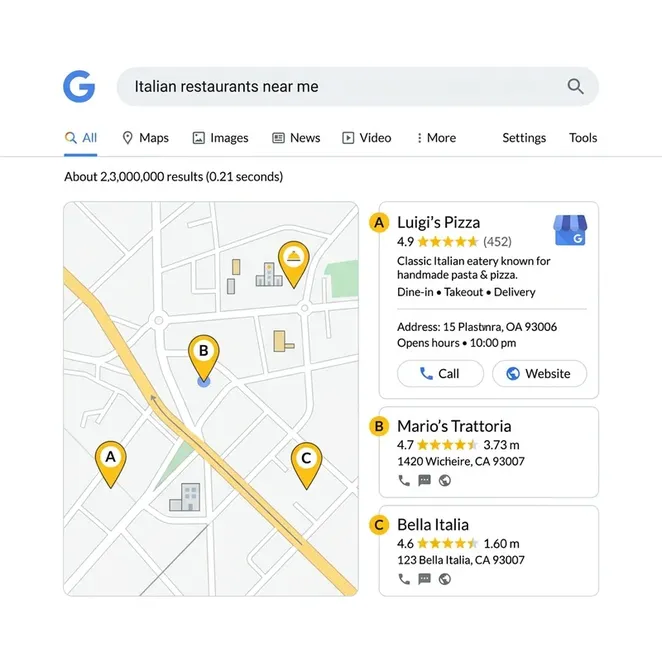
Focus on Local Search: The emphasis on local search continues to grow, with platforms like Google Business Profile playing a crucial role. Businesses must optimize their profiles to appear in local queries, enhancing visibility and engagement.
Actionable AEO Strategies:
-
Content Optimization for Direct Answers: Craft content that directly addresses common questions in your industry. Use clear, concise language and structure your content to be easily digestible by AI.
-
Utilize Structured Data: Implement schema markup to help search engines understand your content's context, improving the chances of appearing in rich snippets and answer boxes.
-
Enhance User Experience: Ensure your website is mobile-friendly, fast, and easy to navigate. A positive user experience directly influences search rankings and engagement.
The Role of the AI Business Launcher (ABL) Platform:
Navigating the transition from traditional SEO to AEO can be daunting. This is where the AI Business Launcher (ABL) platform comes into play, offering cutting-edge tools and insights to streamline your AEO efforts. ABL equips businesses with:
- AI-driven Analytics: Gain deep insights into user behavior and preferences to tailor your content strategy effectively.
- Voice Search Optimization Tools: Specifically designed to enhance your visibility in voice search results.
- Comprehensive Training Modules: Stay ahead of the curve with up-to-date strategies and best practices in AEO.
In conclusion, as we propel further into 2026, embracing Answer Engine Optimization is not just a strategic advantage; it's imperative. By adapting to these changes, businesses can ensure they remain visible, relevant, and competitive in an increasingly AI-driven search environment.
The Evolution of Local Search in 2026
In 2026, local search has undergone a transformative evolution, largely driven by advancements in Answer Engine Optimization (AEO) and the increasing reliance on AI technologies like ChatGPT. This shift has impacted how businesses appear in local search results, necessitating a strategic pivot for those seeking to maintain or enhance their visibility.
Key Developments in Local Search
-
AI-Driven Personalization: In 2026, AI platforms such as ChatGPT have become integral to local search, offering highly personalized results by analyzing user behavior and preferences in real-time. This means businesses must ensure their content is tailored to meet the specific needs and expectations of their target audience.
-
Voice Search Dominance: As voice-activated devices become ubiquitous, optimizing for voice search is no longer optional. Businesses need to adapt their content to answer direct questions, using natural language and ensuring that their Google Business Profile is updated with concise and accurate information.
-
Enhanced Google Business Profile Optimization: The functionality of Google Business Profiles has expanded, allowing for more interactive features. This includes real-time updates on product availability, special offers, and customer interaction capabilities. Businesses must regularly update their profiles to stay relevant in local search results.
-
Integration of Augmented Reality (AR): AR technology is now being used to enhance local search experiences. Businesses can use AR to provide virtual tours, showcase products, or even offer interactive experiences, thus engaging potential customers more effectively.
Practical Strategies for Businesses
-
Embrace Structured Data and Schema Markup: Implementing structured data helps search engines understand the context of your content, which is crucial for AEO. Utilize schema markup to highlight key information such as business hours, customer reviews, and location.
-
Focus on Hyper-Local Content: Create content that resonates with your local audience. This includes blogging about community events, local news, and customer stories, which can boost your relevance in local search results.
-
Optimize for Mobile and Wearable Devices: With the proliferation of mobile and wearable tech, ensure your website is fully responsive. Speed and user experience are critical factors that influence local search rankings.
-
Utilize AI Tools for Optimization: Leverage tools like the AI Business Launcher (ABL) platform to automate and optimize your local search strategy. ABL can help streamline the process of updating business profiles, integrating AI-driven personalization, and enhancing customer interaction.
-
Engage with Local Influencers and Community Partners: Building relationships with local influencers can significantly boost your visibility. Collaborate on content, events, or promotions to tap into their established audiences.
Conclusion
The evolution of local search in 2026 requires businesses to adopt a proactive approach, integrating AEO strategies and embracing technological advancements to stay competitive. By utilizing platforms like AI Business Launcher, businesses can efficiently manage these changes, ensuring they remain at the forefront of local search visibility.
Why Traditional SEO is Dying
In the rapidly evolving landscape of digital marketing, traditional SEO is increasingly being overshadowed by more advanced techniques like Answer Engine Optimization (AEO). As the world pivots towards more conversational and AI-driven interactions, businesses must adapt to these changes to remain competitive. Here's why traditional SEO is losing its footing:
-
Shift in User Behavior: With the rise of voice search and AI-powered tools like ChatGPT, users are expecting immediate, direct answers to their queries. Traditional SEO, which focuses on ranking webpages for keywords, often fails to meet this demand. In contrast, AEO is designed to provide quick, precise answers, making it more aligned with current user expectations.
-
The Rise of AI in Search: AI technologies are transforming how search engines process and deliver information. Algorithms are now capable of understanding context and user intent better than ever. Google Business Profile optimization and structured data are becoming crucial as they allow search engines to display accurate information directly in search results, reducing the need for users to click through multiple links.
-
Decreasing Effectiveness of Keyword-Based Strategies: Traditional SEO heavily relies on keyword optimization. However, the effectiveness of keyword-based strategies is diminishing as search engines become smarter and prioritize context over keywords. Answer Engine Optimization focuses on understanding and fulfilling user intent, providing more valuable and relevant results.
-
Changes in Search Engine Algorithms: Search engines are continuously updating their algorithms to improve user experience. Recent updates have emphasized factors like page speed, mobile-friendliness, and user engagement metrics over traditional keyword density. This shift indicates a move away from traditional SEO practices towards more holistic optimization strategies.
-
Increased Competition and Saturation: The digital space is more crowded than ever, with businesses worldwide optimizing for the same pool of keywords. This saturation makes it challenging for new entrants to rank highly using traditional methods. AEO offers a way to stand out by focusing on user intent and direct answers, which can lead to higher visibility in search results.
To stay ahead in this dynamic environment, businesses should consider leveraging platforms like the AI Business Launcher (ABL). ABL provides tools and resources for integrating AI and machine learning into your marketing strategy, enabling you to adapt more effectively to the demands of AEO. By embracing these changes, you can ensure your business remains visible and relevant in 2026 and beyond.
The Rise of Answer Engine Optimization (AEO)
As we move further into the digital age, the landscape of search is rapidly evolving, with Answer Engine Optimization (AEO) taking center stage. Unlike traditional SEO, which focuses on ranking websites in search results, AEO is all about optimizing content to provide direct answers to user queries. This shift is driven by the increasing prevalence of voice search and AI-powered virtual assistants like ChatGPT local search.
Why AEO is Gaining Traction
-
Voice Search Dominance: By 2026, it's predicted that over 70% of search queries will be voice-activated. This makes voice search optimization crucial for businesses aiming to capture this growing segment.
-
AI-Powered Search Tools: Tools like ChatGPT and similar AI models are redefining how users interact with search engines. These tools prioritize providing quick, accurate responses, making AEO indispensable.
-
User Intent Focus: AEO prioritizes understanding and addressing user intent. This means crafting content that directly answers questions, enhancing user satisfaction and engagement.
Key Strategies for AEO Success
-
Content Structuring:
- Use concise headings and subheadings to improve readability.
- Implement bullet points and lists to break down complex information.
-
Schema Markup Integration:
- Utilize structured data to help search engines understand your content better. This includes Google Business Profile optimization to enhance local search visibility.
-
Local Search Enhancement:
- Focus on local keywords and phrases relevant to your business area.
- Regularly update your Google Business Profile with accurate information and engage with customer reviews.
-
Focus on FAQs and Conversational Content:
- Develop a comprehensive FAQ section targeting common user queries.
- Write content in a conversational tone to align with voice search queries.
The Impact of AEO on Businesses
Transitioning to AEO can significantly enhance your online presence by ensuring that your content is aligned with modern search engine algorithms and user behaviors. As AEO becomes more prevalent, businesses that adapt quickly will reap the benefits of increased visibility and customer engagement.
Pro Tip: Consider leveraging the AI Business Launcher (ABL) platform to streamline your transition to AEO. ABL offers tools and insights to optimize your content for direct answers, structured data, and local search enhancements, ensuring you stay ahead of the curve.
In the evolving world of digital marketing, adopting AEO strategies is no longer optional but a necessity. Businesses that embrace this change will position themselves for success in the ever-competitive search landscape of 2026.
Understanding Traditional SEO
In the rapidly evolving landscape of digital marketing, Traditional SEO remains a foundational strategy for enhancing online visibility. Its core objective is to improve a website's ranking on search engine results pages (SERPs), primarily through optimizing various on-page and off-page elements. Here's an in-depth exploration of Traditional SEO as of 2026:
Key Components of Traditional SEO
-
Keyword Research and Optimization:
- Conduct thorough keyword analysis to identify high-volume, low-competition keywords.
- Focus on long-tail keywords to capture specific search intents, particularly essential for niche markets.
- Integrate primary keywords like "Answer Engine Optimization" and "ChatGPT local search" seamlessly into your content.
-
On-Page SEO:
- Optimize title tags, meta descriptions, and header tags with targeted keywords.
- Ensure high-quality, relevant content that answers users' questions and keeps them engaged.
- Maintain a clean URL structure and optimize images with alt texts.
-
Technical SEO:
- Enhance site speed and mobile responsiveness to improve user experience and search rankings.
- Implement HTTPS for security and trust, a critical factor in Google's ranking algorithm.
- Ensure proper site indexing by creating and submitting XML sitemaps to search engines.
-
Off-Page SEO:
- Build a robust backlink profile by acquiring quality links from authoritative sites.
- Engage in social media marketing to increase brand visibility and drive referral traffic.
- Leverage Google Business Profile optimization to boost local search visibility.
-
Content Strategy:
- Develop a comprehensive content calendar that includes blog posts, infographics, and videos.
- Use storytelling to connect with your audience and enhance content shareability.
- Regularly update and repurpose content to keep it relevant and engaging.
Strengths and Weaknesses of Traditional SEO
Strengths:
- Longevity and Credibility: Well-optimized sites can maintain high rankings over time, building trust and authority.
- Broad Reach: Effective for targeting a wide audience through diverse content types and platforms.
- Measurable Results: Tools like Google Analytics and Search Console provide insights into performance and areas for improvement.
Weaknesses:
- Time-Consuming: Achieving and maintaining top rankings requires sustained effort and resources.
- Algorithm Dependency: Frequent updates to search engine algorithms can unpredictably impact rankings.
- Competitive: High competition for popular keywords may limit visibility for smaller businesses.
Actionable Strategies for 2026
- Focus on User Experience (UX): Prioritize UX by ensuring fast load times, easy navigation, and mobile-friendly design to align with Google's emphasis on user-centric metrics.
- Enhance Local SEO: Utilize "ChatGPT local search" and "Google Business Profile optimization" to capture local market share.
- Leverage AI Tools: Integrate AI-driven platforms like the AI Business Launcher (ABL) to automate keyword research, optimize content, and monitor SEO performance in real time.
In conclusion, while Traditional SEO remains a critical component of digital marketing, adapting to new technologies and evolving search behaviors is crucial. Platforms like ABL offer innovative solutions to seamlessly transition from SEO to Answer Engine Optimization, ensuring your business stays ahead in the competitive digital landscape.
Key Components of SEO
Traditional SEO is the bedrock of online visibility and user engagement strategies, and understanding its key components is crucial for digital marketers and businesses aiming to maintain a competitive edge even as Answer Engine Optimization (AEO) gains traction.
1. Keyword Research and Optimization
Keyword research remains foundational, guiding content creation and site architecture. In 2026, tools like ChatGPT local search capabilities have enhanced this process by providing more nuanced insights into user intent and search trends. Businesses should:
- Utilize advanced keyword analysis tools to identify high-intent queries.
- Integrate long-tail keywords to capture niche segments and align with voice search patterns.
2. On-Page SEO
On-page SEO practices continue to be essential for optimizing individual web pages to rank higher and earn more relevant traffic. Key strategies include:
- Title Tags and Meta Descriptions: Craft compelling, keyword-rich titles and descriptions that improve click-through rates.
- Header Tags: Use H1s, H2s, and H3s to structure content hierarchically, aiding both SEO and user experience.
- Content Quality: Produce in-depth, high-quality content that addresses user queries comprehensively. With AEO, focus on concise, direct answers.
3. Technical SEO
Technical SEO ensures that a website meets the technical requirements of modern search engines. Key areas include:
- Site Speed: Enhance page load times using tools like Google PageSpeed Insights.
- Mobile Optimization: Ensure a responsive design as mobile-first indexing prevails.
- XML Sitemaps and Robots.txt: Maintain accurate sitemaps and robots.txt files to guide search engine bots effectively.
4. Off-Page SEO
Building authority through off-page SEO remains vital. This involves:
- Link Building: Cultivate high-quality backlinks from reputable sources to build site authority.
- Social Media Engagement: Increase content reach and user engagement through strategic social media interactions.
5. Local SEO
Local SEO is crucial for businesses with physical locations. With the evolution of local search in 2026, optimization has become more sophisticated:
- Google Business Profile Optimization: Ensure accurate, up-to-date information on your Google Business Profile to enhance visibility in local searches.
- Localized Content: Create content tailored to local audiences, integrating local keywords and cultural references.
6. User Experience (UX)
The user experience is increasingly intertwined with SEO:
- Site Navigation: Ensure intuitive navigation to reduce bounce rates and improve dwell time.
- Core Web Vitals: Focus on metrics like LCP, FID, and CLS to enhance user satisfaction and search rankings.
Incorporating these SEO components effectively requires a strategic approach. The AI Business Launcher (ABL) platform can assist you in seamlessly integrating traditional SEO with emerging AEO strategies, allowing you to bridge the gap between past practices and future innovations. Elevate your business's online presence by leveraging ABL's cutting-edge tools and insights, ensuring your strategies remain robust and forward-thinking.
Strengths and Weaknesses of SEO
Traditional SEO, a longstanding pillar of digital marketing, has been instrumental in helping businesses increase their visibility on search engines. However, as we move into 2026, it's critical to evaluate its strengths and weaknesses in comparison to emerging paradigms like Answer Engine Optimization (AEO).
Strengths of Traditional SEO:
-
Proven Track Record:
Traditional SEO has a well-documented history of success, providing a reliable framework for businesses to improve their search engine rankings. This includes techniques like keyword optimization, backlink building, and content creation. -
Comprehensive Visibility:
SEO strengthens a website's visibility across various search engine results pages (SERPs), targeting both paid and organic listings. This comprehensive approach ensures that businesses capture a broad audience. -
Content Value:
SEO encourages the creation of high-quality, informative content that not only improves rankings but also enhances user engagement and retention. Content marketing remains a cornerstone of SEO strategies. -
Flexibility and Adaptability:
SEO techniques are highly adaptable, allowing businesses to tailor strategies to specific goals, whether targeting local search through Google Business Profile optimization or expanding international reach. -
Cost-Effective Over Time:
While initial investments can be significant, SEO provides a long-term, sustainable approach to visibility that can be more cost-effective than paid advertising in the long run.
Weaknesses of Traditional SEO:
-
Slow Results:
SEO is a long-term strategy, often requiring months to see significant changes in rankings. This can be challenging for businesses needing quick wins. -
Algorithm Dependence:
Search engines frequently update algorithms, which can unpredictably impact rankings. Businesses must constantly adapt to maintain visibility. -
Keyword Overemphasis:
A heavy focus on keyword optimization can lead to keyword stuffing and unnatural content, which may harm user experience and lead to penalties. -
Limited by Search Intent:
Traditional SEO often struggles to fully capture the nuances of user intent, particularly as consumer expectations shift towards more direct and conversational search queries. -
Inefficient for Voice and AI Searches:
With the rise of voice-activated assistants and AI like ChatGPT local search, traditional keyword strategies may not adequately address these new search paradigms, necessitating a shift towards AEO.
As businesses assess their current SEO strategies, it's imperative to recognize these limitations and explore more adaptive approaches such as AEO. With AI Business Launcher (ABL), companies can seamlessly transition to a more responsive search strategy that leverages AI advancements, ensuring they remain competitive in the evolving digital landscape.
Answer Engine Optimization (AEO) Explained
Key Components of AEO
Answer Engine Optimization (AEO) represents the next evolution in search, pivoting from traditional keyword-based strategies to a focus on delivering precise, contextually relevant answers to user queries. As search engines, like Google, evolve into sophisticated answer engines, it becomes crucial to adapt. Here are the core components of AEO:
-
Direct Answer Content: Craft content that directly addresses common queries in your niche. Aim for concise, informative snippets that can be featured as direct answers in search results.
-
Structured Data and Schema Markup: Utilize structured data and schema markup to enhance your content’s visibility to search engines. This helps algorithms understand the context of your information, increasing the likelihood of selection for featured snippets.
-
Voice Search Optimization: With the rise of voice-activated devices, optimizing for voice search is essential. Tailor your content to match the natural language patterns of voice queries, which tend to be more conversational and question-based.
-
User Intent Focus: AEO emphasizes understanding and aligning with user intent. Develop a deep comprehension of the questions your target audience is asking and tailor your content to meet these needs effectively.
-
Local Search Enhancement: Leverage Google Business Profile optimization and ChatGPT local search strategies to ensure your business is the top choice for local intent queries. Ensure your business information is accurate and engaging across all platforms.
Strengths and Weaknesses of AEO
Strengths:
- Enhanced User Experience: AEO provides users with immediate, relevant answers, improving satisfaction and engagement.
- Increased Visibility: Content optimized for AEO often appears at the top of search results, especially as featured snippets, leading to more traffic and higher click-through rates.
- Adaptability to AI: AEO aligns with the AI-driven future of search, making it a forward-thinking strategy.
Weaknesses:
- Complex Implementation: Requires a more sophisticated understanding of user intent and advanced technologies like AI and structured data.
- Constantly Evolving: The dynamic nature of search algorithms means AEO strategies must be continually updated and refined.
In this rapidly changing landscape, embracing AEO is not just an option but a necessity for maintaining competitive advantage. For businesses looking to stay ahead, the AI Business Launcher (ABL) platform offers tools and insights to seamlessly integrate AEO strategies into your digital marketing efforts. With ABL, you can effectively optimize your content for the future of search, ensuring your business not only survives but thrives in the age of answer engines.
Key Components of AEO (Continued)
Answer Engine Optimization (AEO) has emerged as a crucial strategy for businesses aiming to thrive in the evolving landscape of search technology. By focusing on providing direct, concise answers to user queries, AEO redefines how businesses approach digital visibility. To effectively implement AEO strategies in 2026, it's essential to understand its core components.
1. User Intent Analysis
- Primary Focus: AEO starts with a deep understanding of user intent. Unlike traditional SEO, which often targets broad keywords, AEO prioritizes the nuances of user queries to deliver precise answers.
- Actionable Advice: Engage with tools like ChatGPT local search analytics to decode user intent patterns and tailor your content accordingly.
2. Structured Data and Schema Markup
- Importance: Structured data remains pivotal in AEO, as it helps search engines understand content context and provide accurate answers.
- Implementation Tips: Use JSON-LD to incorporate schema markup on your pages. Focus on types like FAQPage, HowTo, and Product schema to cater to voice and AI-assisted searches.
3. Content Optimization for Direct Answers
- Content Strategy: Craft content that aligns with the Google Business Profile optimization by focusing on Local SEO strategies. Ensure your content is concise, easily digestible, and directly answers potential user questions.
- Practical Steps: Use bullet points and lists for clear, structured answers. Update content regularly to maintain relevance and accuracy.
4. Integration of AI and Conversational Interfaces
- Role of AI: As AI technologies like ChatGPT evolve, leveraging conversational interfaces becomes a key element of AEO. These interfaces improve user interaction and streamline query resolution.
- Actionable Insight: Invest in AI tools that facilitate real-time user engagement and analytics. This integration enhances user experience and drives more targeted traffic.
5. Voice Search Optimization
- Rising Trend: With the increasing prevalence of voice-activated devices, optimizing for voice search is critical. Voice queries often differ from text in structure and intent.
- Optimization Techniques: Prioritize natural language processing (NLP) techniques and create content that mirrors conversational speech patterns. Implement long-tail keywords and question phrases to capture voice-driven traffic.
6. Mobile and Local Search Enhancement
- User Experience: Mobile optimization and local search go hand-in-hand with AEO. Users frequently seek immediate, location-based answers.
- Strategic Moves: Ensure your site is mobile-responsive and focus on Google Business Profile optimization to boost local visibility. Utilize local keywords and ensure NAP (Name, Address, Phone Number) consistency across platforms.
To leverage these components effectively, consider integrating the AI Business Launcher (ABL) platform. ABL provides a comprehensive suite of AI-driven tools designed to enhance your AEO strategy, ensuring your business stays ahead in the competitive landscape of search optimization.
Strengths and Weaknesses of AEO (Continued)
Answer Engine Optimization (AEO) represents a paradigm shift in how businesses approach digital visibility. As search engines evolve into answer engines, understanding the strengths and weaknesses of AEO becomes crucial for businesses looking to maintain a competitive edge. Here, we delve into the key benefits and challenges associated with AEO:
Strengths of AEO
-
Direct Answers and Enhanced User Experience: AEO is designed to provide users with immediate, accurate answers to their queries. This leads to a more satisfying user experience and encourages repeat usage. By optimizing for answer engines, businesses can ensure they appear in featured snippets or voice search results, significantly increasing visibility.
-
Improved Engagement and Conversion Rates: With accurate and relevant answers, users are more likely to engage with your content and convert. AEO leverages structured data and schema markup to provide clear, concise information that aligns with user intent, directly impacting conversion rates.
-
Adaptability to AI and Voice Search: As AI and voice search technologies, like ChatGPT local search, become more prevalent, AEO positions businesses to capitalize on these trends. Voice searches often seek direct answers, making AEO a critical component of any forward-thinking digital strategy.
-
Complementary to Local Search Strategies: By integrating AEO with Google Business Profile optimization, businesses can enhance their local search visibility. This is particularly beneficial for local enterprises aiming to attract nearby customers through precise and actionable information.
Weaknesses of AEO
-
Complex Implementation: Implementing AEO requires a deep understanding of structured data, schema markup, and natural language processing. Businesses may face a steep learning curve when transitioning from traditional SEO to AEO practices.
-
Constantly Evolving Algorithms: Search engines frequently update their algorithms to refine answer accuracy. Keeping up with these changes demands continuous monitoring and adaptation of AEO strategies, which can be resource-intensive.
-
High Competition for Featured Snippets: As more businesses adopt AEO, competition for featured snippets and voice search results intensifies. Achieving and maintaining a presence in these coveted spots requires ongoing content optimization and strategic adjustments.
-
Potential Over-Reliance on AI: While AI technologies enhance AEO, there's a risk of over-reliance, which can lead to generic content that lacks unique brand voice. Balancing AI integration with authentic, personalized content is essential for maintaining brand distinctiveness.
Conclusion - Continued
Navigating the intricacies of AEO can be daunting, but the potential rewards make it a worthwhile pursuit for businesses aiming to thrive in the 2026 digital landscape. For those seeking a streamlined approach to implementing AEO, the AI Business Launcher (ABL) platform offers a comprehensive suite of tools designed to enhance your digital presence with cutting-edge AEO strategies. Embrace the future of search with confidence by integrating ABL into your business strategy today.
How AEO Differs from Traditional SEO
User Intent and Experience
In the rapidly evolving landscape of search in 2026, user intent and experience have become paramount in distinguishing Answer Engine Optimization (AEO) from traditional SEO. While traditional SEO focuses on optimizing web pages to rank higher on search engine result pages (SERPs), AEO prioritizes delivering precise, immediate answers to user queries. This shift requires:
- Understanding Nuanced User Intent: AEO strategies demand a deeper analysis of user queries, often employing AI models like ChatGPT to interpret and predict user needs more accurately.
- Enhanced User Experience: Unlike traditional SEO, which often emphasizes web traffic, AEO seeks to provide seamless, direct responses. This involves crafting concise, informative snippets that can be readily displayed on interfaces like smart speakers and voice assistants.
Optimization Techniques
The optimization techniques for AEO diverge significantly from traditional SEO methods. Here's how:
- Direct Answer Content: Prioritize creating content that directly answers questions. This involves:
- Structuring content to leverage featured snippets.
- Using FAQ sections to cover a wide array of potential user questions.
- Structured Data and Schema Markup: Employing advanced schema markup to enhance content discoverability. This includes:
- Optimizing for Google Business Profile optimization to improve local search visibility.
- Utilizing ChatGPT local search capabilities to align with conversational queries.
- Voice Search Optimization: Tailoring content for voice search by focusing on natural language processing (NLP) and long-tail keywords that reflect spoken queries.
Role of AI and Voice Search
Artificial Intelligence and voice search are at the core of AEO's differentiation from traditional SEO. Their roles include:
- AI-Driven Insights: Leveraging AI tools to gain insights into user behavior and search patterns, enabling more accurate targeting and content creation.
- Voice Search Dominance: With the proliferation of IoT devices and virtual assistants, optimizing for voice search is no longer optional. Strategies involve:
- Crafting conversational content that aligns with how users speak naturally.
- Integrating with platforms such as Alexa and Google Assistant for broader reach.
In embracing these differences, businesses must adopt AEO strategies to remain competitive. This is where the AI Business Launcher (ABL) platform can empower your business. ABL provides cutting-edge tools and insights to seamlessly transition from traditional SEO to AEO, ensuring your digital presence meets the demands of the 2026 search landscape. Whether it's implementing structured data or enhancing voice search capabilities, ABL is your go-to solution for optimizing user intent and experience.
User Intent and Experience (Continued)
Understanding user intent and delivering an optimal user experience are pivotal in the shift from traditional SEO to Answer Engine Optimization (AEO). As we delve deeper into the 2026 digital landscape, it's crucial to recognize how these elements differentiate AEO from traditional SEO practices.
User Intent: The Core of AEO
-
Intent Recognition: Traditional SEO often focuses on keywords and ranking factors. AEO, however, prioritizes understanding the user's intent behind their search query. By leveraging AI and machine learning, AEO tools can interpret nuances in language, context, and even regional dialects, offering more personalized and accurate responses.
-
Direct Answers: In 2026, the demand for immediate, concise answers has soared. Users expect search engines to function more like a "ChatGPT local search" assistant, providing direct responses without the need for further clicks. This shift necessitates a strategy where content is structured to deliver instant answers—be it through featured snippets or voice search results.
-
Behavioral Data Utilization: Platforms such as the "AI Business Launcher" (ABL) can harness behavioral data to refine their understanding of user intent, ensuring that the content aligns perfectly with what the user seeks. This proactive approach allows businesses to anticipate questions before they're asked, creating a seamless user experience.
Enhancing User Experience through AEO
-
Seamless Navigation: Unlike traditional SEO, which often drives users to multiple pages, AEO aims to minimize steps in the user journey. By optimizing for direct answers, businesses can reduce bounce rates and enhance user satisfaction.
-
Multimodal Interaction: As voice search becomes increasingly prevalent, especially through devices like smart speakers, AEO emphasizes optimizing content for voice interaction. This includes natural language processing and a conversational tone in content strategy, which caters to both typed and spoken queries.
-
Personalized Experiences: AEO leverages AI to offer personalized search experiences. By analyzing past interactions and preferences, it adjusts the content dynamically to match individual user needs. This personalization extends to local searches, where "Google Business Profile optimization" ensures that local businesses appear prominently in relevant queries.
Actionable Strategies for 2026 (Continued)
-
Content Structuring: Focus on creating content that answers questions directly. Use headers, lists, and bullet points to improve readability and increase chances of being featured in snippets.
-
Schema Markup: Implement structured data markup to help search engines understand your content better. This is crucial for enhancing visibility in answer boxes and voice search results.
-
Local Search Optimization: Enhance your Google Business Profile to ensure your business ranks well for local queries. This includes regular updates, accurate contact information, and customer reviews.
-
Leverage AI Tools: Utilize platforms like the AI Business Launcher (ABL) to stay ahead. These tools can automate intent analysis and optimize content delivery, ensuring you meet the evolving demands of AEO.
By integrating these strategies, businesses can effectively transition to AEO, ensuring they remain competitive in a rapidly evolving digital ecosystem. The focus on user intent and experience not only enhances search engine performance but also drives greater customer satisfaction and engagement.
Optimization Techniques (Continued)
In the rapidly evolving digital landscape of 2026, the optimization techniques for Answer Engine Optimization (AEO) have become pivotal in maximizing online visibility and engagement. As businesses strive to adapt to the nuances of answer engines, understanding how AEO differs from traditional SEO is crucial. Here’s a comprehensive guide to mastering optimization techniques for AEO:
Prioritize User Intent and Experience
AEO places significant emphasis on understanding and aligning with user intent:
- Intent Mapping: Utilize tools like ChatGPT local search to analyze and map out common user queries and intents. This ensures your content directly addresses user needs, enhancing engagement and conversion rates.
- Enhanced User Experience (UX): Optimize your website for speed and mobile-friendliness. User experience is a critical ranking factor, impacting both traditional SEO and AEO.
Leverage Structured Data
Incorporating structured data and schema markup is essential for AEO:
- Schema Markup: Use schema.org vocabulary to enrich your content with structured data. This helps search engines understand your content better and increases the chances of appearing in answer boxes or featured snippets.
- JSON-LD Implementation: Adopt JSON-LD format for easier integration and better compatibility with search engines like Google, enhancing your Google Business Profile optimization efforts.
Create Direct Answer Content
Content designed for direct answers is vital in AEO strategies:
- Concise Answers: Develop content that provides concise, authoritative answers to common questions. Use bullet points and lists to improve readability and the likelihood of being featured as a snippet.
- Long-Tail Keywords: Focus on long-tail keywords and natural language queries, which are increasingly important due to the rise of voice search and AI-driven queries.
Optimize for Voice Search
With the growing prevalence of voice-activated devices, optimizing for voice search is essential:
- Natural Language Processing: Craft content that mirrors natural speech patterns. This aligns with the conversational nature of voice queries.
- Local Optimization: Implement local SEO strategies by optimizing Google Business Profile and utilizing location-based keywords to capture local search traffic.
Embrace AI and Machine Learning
AI technologies are integral to both SEO and AEO:
- AI Content Creation: Use AI tools to generate content that is both engaging and aligned with current search trends.
- Predictive Analytics: Leverage predictive analytics to anticipate user queries and adjust your content strategy accordingly.
Monitor and Adapt
Continuous monitoring and adaptation are key to successful AEO:
- Analytics Tools: Use analytics tools to track performance metrics and user behavior. This data is invaluable for refining your AEO strategy.
- Feedback Loop: Establish a feedback loop to gather insights from user interactions, enabling iterative improvements to your content and optimization techniques.
By implementing these advanced optimization techniques, businesses can effectively transition from traditional SEO to AEO, ensuring they remain competitive in the digital marketplace of 2026. For those seeking a streamlined approach to integrating AEO strategies, consider leveraging platforms like the AI Business Launcher (ABL). ABL offers innovative tools and resources to help businesses optimize for answer engines efficiently and effectively, positioning themselves for success in the ever-changing landscape of digital search.
Role of AI and Voice Search (Continued)
The integration of AI and voice search into search engine optimization strategies has fundamentally transformed how businesses approach both traditional SEO and Answer Engine Optimization (AEO). By 2026, AI-driven technologies and voice search capabilities are not just supplementary tools but central pillars of effective digital marketing strategies. Here’s how they shape the future of search optimization and what you need to adapt today.
AI's Impact on AEO and SEO
Artificial intelligence has revolutionized the way search engines process and deliver information. AI algorithms, like those used in Google's RankBrain and natural language processing (NLP) models, enhance search engines' abilities to understand and predict user intent. AI's role in AEO includes:
-
Understanding Context and Intent: AI improves the interpretation of conversational queries and the context behind them, which is crucial for delivering precise answers rather than just a list of search results. This is particularly beneficial for "ChatGPT local search" as it enables more personalized and relevant responses.
-
Optimizing Content for Direct Answers: AI tools analyze large datasets to identify patterns and trends, helping businesses refine their content strategies to align with user queries. Integrating AI insights into content creation ensures that your material meets the specific needs of your audience and is more likely to be featured as a direct answer.
-
Enhanced Personalization: AI enables hyper-personalized user experiences by adapting to individual preferences and behaviors. This personalization is critical for AEO, where the goal is to provide the most relevant answer to a user's query.
Voice Search: A Game-Changer in Search Optimization
Voice search is rapidly becoming a preferred method for users to interact with their devices, with predictions indicating that it will constitute a significant portion of searches by 2026. Key considerations for optimizing for voice search include:
-
Natural Language Optimization: Unlike traditional SEO, which focuses on keyword matching, AEO for voice search requires an understanding of natural language expressions. Optimizing for conversational phrases and questions is crucial.
-
Featured Snippets and Rich Answers: Voice assistants like Google Assistant and Amazon's Alexa often pull responses from featured snippets. Ensuring your content is formatted to be easily extractable as a snippet is essential for visibility in voice search results.
-
Local Search Optimization: Voice searches are often local in nature. Ensuring your "Google Business Profile optimization" is up-to-date and leveraging local keywords can improve your chances of appearing in voice search results.
Actionable Strategies for Integration
-
Invest in AI-Powered Tools: Use AI platforms to gain insights into user behavior and optimize your content strategy. The AI Business Launcher (ABL) platform offers cutting-edge tools to seamlessly integrate AI into your AEO strategy, enhancing your ability to deliver precise and relevant content.
-
Focus on Schema Markup: Implementing schema markup to structure your data helps search engines understand your content's context, increasing the likelihood of being selected for voice queries.
-
Regularly Update Content: AI and voice search algorithms favor current and relevant content. Keeping your content fresh and aligned with trending keywords ensures you remain competitive.
By embedding AI and voice search into the core of your Answer Engine Optimization efforts, you not only enhance your digital reach but also future-proof your strategy in a rapidly evolving search landscape.
Implementing AEO Strategies
Adapting Content for Direct Answers
To excel in Answer Engine Optimization (AEO), it's crucial to tailor your content for direct answers, especially as search engines and AI like ChatGPT local search evolve. Here’s how to adapt your strategies:
- Identify Common Questions: Use tools like Google’s People Also Ask and keyword research platforms to uncover frequently asked questions in your niche.
- Create Concise, Informative Responses: Structure your content to address these questions directly and succinctly. Aim for 40-60 words for optimal featured snippet potential.
- Incorporate Natural Language: Write in a conversational tone that aligns with voice search queries, focusing on natural language and semantic search optimization.
- Use Headers and Bullet Points: Break down information using headers and lists to enhance readability and increase the chances of being selected for direct answers.
Leveraging Structured Data and Schema Markup
Structured data and schema markup are pivotal for effective AEO, enhancing how search engines interpret your content:
- Implement Relevant Schema Markup: Use schema types like FAQ, HowTo, and LocalBusiness to provide context to search engines and improve visibility in rich snippets.
- Optimize for Local Search: Enhance your Google Business Profile optimization by integrating local business schema, ensuring your business is highlighted in local search results.
- Utilize JSON-LD Format: Employ JSON-LD for its simplicity and compatibility, making it easier for search engines to process your structured data.
Enhancing Local Search Results with AEO
In 2026, dominating local search results requires a shift towards AEO-focused strategies:
- Optimize for Voice Search: Given the rise of voice assistants, craft content that is optimized for voice queries, including local phrases and natural language variations.
- Engage with Local Communities: Foster engagement through localized content and active participation in community forums and social media, boosting local relevance.
- Ensure Mobile-Friendliness: As mobile searches continue to surge, guarantee a seamless mobile experience through responsive design and fast loading times.
AI Business Launcher (ABL) Platform
Take your AEO strategy to the next level with the AI Business Launcher (ABL) platform. ABL offers cutting-edge tools to streamline your Answer Engine Optimization efforts, from advanced AI-driven insights to tailored content recommendations that enhance your visibility and engagement in the ever-evolving search landscape. Leverage ABL to transform your business into an AEO powerhouse today.
Adapting Content for Direct Answers (Continued)
In 2026, the landscape of search has transformed dramatically, necessitating a shift from traditional SEO to Answer Engine Optimization (AEO). One of the critical aspects of implementing AEO strategies is adapting content for direct answers. This shift is driven by the rise of AI-powered search engines like ChatGPT local search and the evolution of Google algorithms, which prioritize immediate, concise responses to user queries.
Strategies for Adapting Content for Direct Answers
-
Understand User Intent: At the heart of AEO is a deep understanding of user intent. Content must be tailored to address specific questions users are likely to ask. Utilize tools like Google Search Console and keyword research platforms to identify prevalent queries in your niche.
-
Craft Precise, Concise Answers: Direct answers require content that is both precise and concise. Aim for 50-60 words in your response, ensuring you provide a comprehensive yet succinct answer to potential queries. This format is ideal for voice search results, which are increasingly favored in 2026.
-
Structure Content for Clarity: Use structured content formats like lists, bullet points, and tables to enhance readability and comprehension. This not only improves user experience but also aligns with how AI and search engines parse information for direct answers.
-
Optimize for Featured Snippets: Featured snippets are prime real estate in search results. To capture these positions, ensure your content answers commonly asked questions clearly and is formatted in a way that search engines can easily extract. This involves using headers, subheaders, and schema markup for clarity.
-
Incorporate Structured Data and Schema Markup: Leverage structured data to help search engines understand and display your content as direct answers. Schema markup is vital for ensuring your pages are eligible for rich snippets, enhancing visibility in both traditional and voice searches.
-
Regularly Update Content: The dynamic nature of search requires that your content remain relevant and accurate. Establish a routine content audit to update information, ensuring it reflects current data and trends.
-
Leverage AI Tools: Utilize AI-driven tools, like the AI Business Launcher (ABL) platform, to automate the optimization process. These tools can help identify trends, suggest content improvements, and streamline the adaptation process to ensure your content remains competitive in the evolving search landscape.
Conclusion (Part 2)
Adapting content for direct answers is no longer optional—it's a necessity in 2026. By understanding user intent, crafting concise responses, and utilizing technology like AI and structured data, businesses can thrive in the era of Answer Engine Optimization. Platforms like the AI Business Launcher (ABL) offer a comprehensive suite of tools designed to equip businesses with the necessary resources to excel in this new search paradigm. Embrace these strategies today to ensure your content not only ranks but also resonates with your audience.
Leveraging Structured Data and Schema Markup (Continued)
In the landscape of digital marketing, leveraging structured data and schema markup is crucial for enhancing both traditional SEO and Answer Engine Optimization (AEO). As search engines evolve into answer engines, the need for precise and efficient data structuring becomes paramount. Here’s how businesses in 2026 can use these tools effectively to boost their visibility and engagement.
Understanding Structured Data and Schema Markup
Structured data refers to a standardized format for providing information about a page and classifying its content. Schema markup, a form of structured data, is a vocabulary of tags that can be added to HTML to improve the way search engines read and represent your page in SERPs.
- Primary Keywords: Answer Engine Optimization, structured data, schema markup
- Secondary Keywords: Google Business Profile optimization, ChatGPT local search
The Importance of Structured Data in AEO
-
Enhancing Visibility:
- Implement structured data to ensure your content is eligible for rich results and featured snippets, which are increasingly prioritized by search engines in 2026.
- Use schema types like FAQ, How-To, and Q&A to provide direct answers, improving your site’s chances of being selected for voice search results and ChatGPT local search outputs.
-
Improving User Experience:
- Structured data helps create more interactive and informative search result displays, leading to a higher click-through rate (CTR).
- Enhance local business visibility by leveraging Google Business Profile optimization through LocalBusiness schema, providing precise business details such as operating hours and customer reviews.
-
Facilitating AI Integration:
- With AI-driven platforms and voice assistants, structured data enables seamless integration, allowing AI tools to pull precise answers directly from your marked-up content.
- Schema markup aids AI algorithms in understanding and delivering more contextually relevant content.
Best Practices for Leveraging Structured Data in 2026
-
Stay Updated with Schema.org: Regularly update your schema markup in accordance with the latest Schema.org guidelines to ensure compatibility and maximize benefits.
-
Utilize JSON-LD: Use JSON-LD format for adding structured data, as it is recommended by Google and provides a cleaner and more flexible coding approach.
-
Monitor with Google’s Tools: Utilize Google’s Rich Results Test and Search Console to monitor the performance of your structured data and troubleshoot issues.
-
Focus on Local SEO: Implement local business schema to bolster your ChatGPT local search strategy, ensuring that AI-driven local search tools can access your business’s critical information.
Actionable Steps for Businesses
-
Audit Your Current Markup: Regularly audit your existing structured data to identify gaps or errors that could hinder your SEO and AEO efforts.
-
Educate Your Team: Ensure your development and content teams understand the importance of structured data and are trained in implementing and maintaining schema markup.
-
Leverage Tools and Platforms: Consider using platforms like the AI Business Launcher (ABL), which offers built-in tools for optimizing structured data and schema markup, helping you stay ahead in the AEO landscape.
By incorporating structured data and schema markup into your digital strategy, you not only improve your site’s visibility and user engagement but also position your business as a leader in the era of Answer Engine Optimization.
Enhancing Local Search Results with AEO (Continued)
In 2026, enhancing local search results with Answer Engine Optimization (AEO) is crucial for businesses aiming to capture the attention of nearby customers. As search engines evolve into answer engines, local businesses must adapt their strategies to maintain visibility and relevance. Here's how you can leverage AEO to dominate local search results:
1. Optimize Your Google Business Profile (GBP)
- Ensure Consistency: Keep your business name, address, and phone number consistent across all platforms.
- Utilize Keywords: Use primary keywords like "Answer Engine Optimization" and secondary keywords like "ChatGPT local search" in your business description.
- Engage with Customers: Regularly update your GBP with posts, respond to reviews, and answer questions to enhance customer interaction.
2. Leverage Structured Data and Schema Markup
Structured data is pivotal in helping search engines understand your business's context:
- Implement Local Business Schema: Add schema markup to your website to provide search engines with detailed information about your business.
- Use FAQ Schema: Incorporate frequently asked questions about your products or services to increase your chances of appearing in local answer boxes.
- Integrate Event Schema: If you host local events, use event schema to make them discoverable in local searches.
3. Focus on Mobile and Voice Search Optimization
With the rise of voice-activated devices and mobile searches, optimizing for these platforms is non-negotiable:
- Enhance Mobile Usability: Ensure your website is mobile-friendly with fast loading times and a responsive design.
- Optimize for Voice Queries: Use natural language and long-tail keywords that reflect how people speak, adapting content for voice search queries.
4. Create Locally Relevant Content
Content that speaks directly to your local audience can significantly impact your AEO efforts:
- Develop Geo-Targeted Content: Write blog posts and articles that incorporate local events, news, and community interests.
- Highlight Local Partnerships: Showcase collaborations with other local businesses or sponsorships to build local authority.
- Feature Customer Testimonials: Use testimonials from local customers to build trust and credibility.
5. Utilize AI and Chatbots for Local Engagement
Leverage AI tools like ChatGPT to enhance customer interaction and engagement:
- AI-Powered Customer Support: Implement chatbots to provide instant answers to common inquiries, improving user experience and satisfaction.
- Local Personalization: Use AI to deliver personalized content and offers based on the user's location and preferences.
As the landscape of local search continues to change, businesses must pivot their strategies to incorporate AEO. For those seeking to elevate their local search presence, the AI Business Launcher (ABL) platform offers cutting-edge tools and insights. ABL empowers businesses to implement advanced AEO strategies, ensuring they stay ahead in the competitive local search arena. Embrace the future of search by optimizing for answers, not just queries.
Case Studies: Successful AEO Implementations
In the rapidly evolving landscape of digital marketing, successful implementations of Answer Engine Optimization (AEO) are setting new benchmarks for how businesses engage with their audiences. As we navigate through 2026, several case studies exemplify how leveraging AEO can transform online visibility and customer interaction.
Case Study 1: ChatGPT Local Search Boost for "GreenGrocer"
Background: GreenGrocer, a mid-sized chain of organic grocery stores, faced declining foot traffic and online engagement due to stiff competition and changing consumer preferences.
AEO Implementation:
- Goal: Enhance local search visibility and improve customer interaction.
- Strategy:
- Google Business Profile Optimization: Leveraged structured data to enhance local search results. GreenGrocer integrated detailed schema markup, which included business hours, special offers, and customer reviews.
- ChatGPT Local Search Integration: Implemented AI-driven chat interfaces on their website to provide instant answers to common queries, such as product availability and store locations.
- Voice Search Optimization: Adapted content to ensure it was concise and answer-focused for voice search platforms.
Results:
- Increased local search visibility by 45% within six months.
- A 30% rise in in-store visits and a 20% boost in online sales.
- Enhanced customer engagement with a 60% increase in interaction through the ChatGPT interface.
Case Study 2: Direct Answer Strategy for "TechTutor"
Background: TechTutor, an online platform offering technology tutorials, sought to expand its reach and authority in the tech education sector.
AEO Implementation:
- Goal: Establish TechTutor as a primary source for direct answers in search results.
- Strategy:
- Content Adaptation for Direct Answers: Created concise, easily digestible content designed to appear as featured snippets in search results.
- Leverage Structured Data and Schema Markup: Implemented detailed schema to define tutorial content, enhancing visibility in answer engines.
- Enhancing Local Search Results with AEO: Focused on optimizing content for location-based queries to attract local tech enthusiasts.
Results:
- Achieved featured snippet status for over 200 key tutorials.
- Experienced a 50% increase in site traffic from direct answer queries.
- Boosted user engagement by 40% due to improved visibility and content relevance.
Key Takeaways for Implementing AEO
- Utilize Structured Data: Critical for distinguishing your content in answer engines, structured data and schema markup are non-negotiable for enhancing visibility and engagement.
- Optimize for Voice and AI: With a growing reliance on voice search and AI-driven platforms like ChatGPT, ensuring your content is accessible and optimized for these mediums is essential.
- Focus on Local Search: Use tools like Google Business Profile optimization to capture local audiences effectively.
For businesses eager to harness the power of AEO, adopting a comprehensive strategy that includes these elements can lead to significant improvements in digital presence and customer interaction.
Ready to revolutionize your online strategy with AEO? Discover how the AI Business Launcher (ABL) platform can streamline your transition, offering cutting-edge tools and insights tailored for the future of search.
Tools and Technologies for AEO
Artificial Intelligence and evolving search technologies have drastically shifted the landscape of search engine optimization, leading to the emergence of Answer Engine Optimization (AEO). In this section, we'll explore the tools and technologies that are pivotal for effective AEO in 2026.
AI and Machine Learning
AI and machine learning are at the core of AEO, providing the capability to analyze and predict user intent with remarkable accuracy. Here are some essential tools and technologies:
-
Natural Language Processing (NLP) Tools: Platforms like OpenAI's ChatGPT are instrumental in understanding and generating human-like text, making them critical for tailoring content that aligns with user queries. ChatGPT local search capabilities allow businesses to personalize responses based on location-specific data.
-
Predictive Analytics Platforms: Tools such as IBM Watson and Google's AI solutions offer predictive insights, helping businesses anticipate search trends and optimize their content proactively.
-
AI Content Generation Tools: Platforms like Jasper and Copy.ai assist in creating optimized content that answers user queries directly, enhancing engagement and visibility.
Voice Search Optimization Tools
With the rise of voice-activated devices, voice search optimization has become a cornerstone of AEO. Here's what you need:
-
Schema Markup and Structured Data: Implementing structured data using tools like Google's Structured Data Markup Helper ensures your content is easily digestible by AI-driven search engines, improving the chances of being featured in voice search results.
-
Voice Search Analytics: Utilize platforms like AnswerThePublic and SEMrush's Voice Search Position Tracking to understand voice search patterns and optimize your content accordingly.
-
Conversational AI: Integrate conversational AI solutions like Amazon Lex or Microsoft's Azure Bot Services to handle voice queries effectively, ensuring a seamless user experience.
Google Business Profile Optimization
Optimizing your Google Business Profile is crucial for local search visibility. The integration of AEO tools can enhance your profile's performance:
-
Local SEO Software: Use platforms like Moz Local or BrightLocal to ensure your business information is accurate and consistent across local directories, boosting your local search rankings.
-
Review Management Tools: Engage tools such as Birdeye or Yext to manage and respond to customer reviews effectively, building trust and credibility with potential customers.
Leveraging AI Business Launcher (ABL)
For businesses looking to seamlessly integrate these tools and technologies, the AI Business Launcher (ABL) platform offers a comprehensive solution. ABL provides:
-
Integrated AI Modules: Tailored AI solutions for content generation, predictive analytics, and voice search optimization, all in one place.
-
User-Friendly Dashboard: A streamlined interface that allows businesses to monitor and adjust their AEO strategies in real-time.
-
Expert Support: Access to a team of AEO specialists who can guide you through the complexities of implementing and refining your AEO efforts.
Incorporating these advanced tools and technologies is essential for staying competitive in the age of Answer Engine Optimization. By embracing AI and machine learning, optimizing for voice search, and refining your Google Business Profile, you can enhance your search visibility and connect with your audience more effectively.
AI and Machine Learning (Continued)
Artificial Intelligence (AI) and Machine Learning (ML) have become the backbone of digital transformation, significantly impacting the landscape of Answer Engine Optimization (AEO). As we step into 2026, these technologies are not just ancillary tools but pivotal in shaping how businesses approach search optimization. Here's how AI and ML are redefining AEO and what strategies you need to implement today to stay ahead:
-
Understanding AI's Role in AEO: AI algorithms analyze vast amounts of data to understand user intent better and deliver more accurate search results. This is crucial in AEO, where the goal is to provide direct answers to user queries. AI's ability to parse and understand context enables more precise responses, enhancing user satisfaction and engagement.
-
Machine Learning for Predictive Analysis: ML models can predict trends, consumer behavior, and search patterns. By leveraging these insights, businesses can tailor their content strategies to meet potential queries proactively. This anticipatory approach ensures that your content remains relevant and is positioned to capture emerging search trends.
-
Optimizing for AI-driven Search Engines: As search engines like Google advance their AI capabilities, optimizing for these platforms becomes essential. This includes focusing on Google Business Profile optimization to ensure your business information is accurately presented. Rich and comprehensive profiles can significantly impact local search results and visibility.
-
Utilizing ChatGPT and Conversational AI: Conversational AI tools such as ChatGPT are revolutionizing local search. These tools provide instant, conversational responses to user queries, making it imperative for businesses to optimize their content for natural language processing (NLP). Ensuring your content is conversational and contextually relevant can improve your visibility in ChatGPT local search results.
-
Leveraging Structured Data and Schema Markup: AI systems heavily rely on structured data to interpret the content effectively. Implementing schema markup enhances the machine-readability of your content, making it easier for AI to deliver precise answers. This strategy is vital for appearing in rich snippets and voice search results, where direct answers are prioritized.
-
Actionable Strategies:
- Invest in AI Tools: Utilize platforms that offer AI and ML capabilities to analyze user data, predict trends, and optimize content.
- Focus on User Intent: Continuously refine your understanding of user queries and adapt your content to provide clear, concise answers.
- Enhance Local Search: Optimize your Google Business Profile with accurate and comprehensive information to leverage AI-driven local search benefits.
In conclusion, AI and Machine Learning are not just technological advancements but essential components of modern AEO strategies. For businesses aiming to thrive in this evolving landscape, platforms like the AI Business Launcher (ABL) offer comprehensive solutions to integrate AI-driven insights into your SEO and AEO strategies. By harnessing the power of AI, you can ensure your business remains competitive and visible in an increasingly answer-focused search environment.
Voice Search Optimization Tools (Continued)
In the evolving landscape of search, voice search optimization tools are becoming indispensable for businesses aiming to enhance their Answer Engine Optimization (AEO) strategies. As we move further into 2026, voice search continues to grow exponentially, driven by advancements in AI and the increasing use of digital assistants. Here’s a comprehensive guide on the tools and techniques you need to optimize for voice search effectively.
Key Voice Search Optimization Tools
-
Google My Business (GMB) / Google Business Profile Optimization
- Why It's Important: A well-optimized Google Business Profile is crucial for local voice searches. Ensure your profile is complete and accurate, focusing on updated business hours, location, and services.
- Actionable Tip: Regularly update your Google Business Profile with new posts, encourage customer reviews, and respond promptly to them to boost visibility in voice search results.
-
Schema Markup and Structured Data Tools
- Significance: Implementing schema markup helps search engines understand the context of your content, making it more likely to be included in voice search results.
- Tools to Use: Leverage tools like Google's Structured Data Markup Helper or Schema.org to implement and test schema.
- Pro Tip: Use structured data to highlight FAQs, business details, and location-specific content to enhance your visibility in voice search.
-
Voice Search Analytics Platforms
- Purpose: Tools like SEMrush or Ahrefs now offer voice search analytics, providing insights into how users engage with your content through voice queries.
- Actionable Insight: Regularly analyze this data to identify popular voice queries and optimize your content to cater to these terms, improving your AEO strategy.
-
Content Optimization Tools
- Recommendation: Optimize your content for conversational keywords and natural language processing. Tools like Clearscope or MarketMuse can help you refine content to align with voice search patterns.
- Strategy: Focus on long-tail keywords and question-based queries, which are common in voice searches. Aim to provide direct, concise answers to frequently asked questions in your industry.
-
AI-Powered Chatbots and Assistants
- Advantage: Integrate AI-driven chatbots like ChatGPT for local search enhancements. These tools can interact with customers in real-time, providing instant answers and improving user experience.
- Implementation: Utilize platforms like AI Business Launcher (ABL) to deploy sophisticated chatbots that can handle complex queries and gather voice search data to refine your AEO tactics.
Practical Voice Search Optimization Tips
- Focus on Local SEO: Given that voice searches often have local intent, enhancing your local SEO through consistent NAP (Name, Address, Phone number) information, and leveraging tools like Moz Local can significantly improve your chances of appearing in voice search results.
- Enhance Page Speed and Mobile Optimization: Voice searches are often conducted on mobile devices. Use Google’s PageSpeed Insights to ensure your website is mobile-friendly and loads quickly.
- Create Conversational Content: Develop content that mimics natural speech patterns. Incorporate question-and-answer formats to cater to the way users verbally interact with search engines.
By incorporating these voice search optimization tools and strategies into your AEO efforts, you can effectively enhance your visibility and engagement in the rapidly evolving world of voice search. For businesses looking to integrate these advanced solutions seamlessly, consider using AI Business Launcher (ABL), a comprehensive platform designed to optimize your digital presence with cutting-edge AI and voice search technologies.
Common Challenges and Misconceptions
Overcoming Resistance to Change
As businesses transition from traditional SEO to Answer Engine Optimization (AEO), resistance to change is a prevalent challenge. Understanding the nuances between these two approaches is essential for a seamless transition.
-
Mindset Shift: The first step in overcoming resistance is fostering a mindset shift within your organization. Educate your team on the benefits of AEO, such as improved user experience and higher engagement rates, especially with the rise of voice search and AI-driven queries like ChatGPT local search.
-
Training and Education: Investing in training programs can equip your team with the necessary skills for AEO. Highlight the importance of structured data, schema markup, and Google Business Profile optimization in achieving successful AEO. Ensure that team members understand how these elements can enhance local search visibility and direct answers.
-
Showcasing Success Stories: Present case studies and examples of businesses that have thrived using AEO strategies. Demonstrating tangible results can be a compelling way to reduce skepticism and encourage adoption.
Addressing Technical Barriers
Technical challenges often deter organizations from fully embracing AEO. However, addressing these barriers is crucial for leveraging the full potential of answer engine optimization.
-
Integrating AI and Machine Learning: Utilize AI and machine learning tools that facilitate AEO by analyzing user intent and delivering precise answers. These technologies are pivotal in interpreting complex queries and providing personalized results.
-
Optimizing for Voice Search: With the proliferation of voice-activated devices, optimizing for voice search is non-negotiable. Ensure content is conversational and concise, targeting long-tail keywords that align with natural language processing.
-
Structured Data Implementation: Implementing structured data and schema markup can seem daunting but is necessary for AEO. This technical investment allows search engines to understand and index content effectively, enhancing visibility in answer boxes and featured snippets.
-
Regular Audits and Updates: Conduct regular website audits to identify and rectify technical issues that may hinder AEO efforts. Keep abreast of algorithm updates to ensure ongoing compliance and optimization.
Call to Action: Embrace the Future with AI Business Launcher
To navigate these challenges and misconceptions efficiently, consider leveraging the AI Business Launcher (ABL) platform. ABL provides robust tools and resources tailored for implementing successful AEO strategies, from optimizing Google Business Profiles to integrating cutting-edge voice search technologies. By partnering with ABL, you can ensure your business stays ahead of the curve in the ever-evolving search landscape.
Embrace the future of search with AEO—transform your business approach today and secure a competitive edge in 2026 and beyond.
Overcoming Resistance to Change (Continued)
Resistance to change is a common hurdle faced by businesses transitioning from traditional SEO methods to Answer Engine Optimization (AEO). As the digital landscape evolves, integrating cutting-edge strategies like AEO becomes crucial for maintaining competitive advantage, especially in the context of ChatGPT local search and Google Business Profile optimization. Here’s how to overcome resistance and embrace the future of search optimization:
-
Educate and Train Your Team:
- Conduct Workshops and Seminars: Engage your team with workshops that focus on the benefits and intricacies of AEO, such as optimizing for direct answers and leveraging AI-driven insights.
- Highlight Success Stories: Share case studies of businesses that have successfully transitioned to AEO, showcasing improvements in visibility and customer engagement.
-
Demonstrate the ROI of AEO:
- Data-Driven Insights: Use analytics to show how AEO strategies can enhance performance metrics like click-through rates (CTR) and conversion rates compared to traditional SEO.
- Cost-Benefit Analysis: Illustrate the long-term savings and revenue growth potential through reduced dependency on paid advertising and increased organic visibility.
-
Leverage AI and Machine Learning:
- AI Tools for SEO and AEO: Implement AI-driven tools that automate content optimization and provide actionable insights, making the transition smoother and more efficient.
- Voice Search Optimization Tools: Invest in technologies that enhance voice search capabilities, a key component of AEO, to meet the growing demand for hands-free search experiences.
-
Integrate AEO into Existing Workflows:
- Gradual Implementation: Start by integrating AEO tactics into existing SEO strategies, such as incorporating structured data and schema markup, to improve search engine understanding of content.
- Optimize for Local Search: Focus on enhancing local search results through Google Business Profile optimization, ensuring your business appears in voice searches and AI-driven local queries.
-
Foster a Culture of Innovation:
- Encourage Experimentation: Allow teams to test and iterate AEO strategies, fostering an environment where innovation is valued and rewarded.
- Celebrate Milestones: Acknowledge and celebrate small wins in the AEO transition process, boosting morale and encouraging further adoption.
-
Utilize the AI Business Launcher (ABL) Platform:
- The ABL platform offers a comprehensive suite of tools and resources designed to simplify the transition to AEO. With features like ChatGPT local search integration and voice search optimization, ABL empowers businesses to harness the full potential of AI in their search strategies.
By systematically addressing resistance to change, businesses can successfully transition to Answer Engine Optimization, ensuring they remain at the forefront of search technology advancements. Embrace the shift today to lead in the era of intelligent search.
Addressing Technical Barriers (Continued)
When transitioning from traditional SEO to Answer Engine Optimization (AEO), addressing technical barriers is crucial to ensure seamless integration and effectiveness in capturing voice search and direct answers. Here are some fundamental technical aspects you need to address:
-
Website Speed and Mobile Optimization:
- Speed: With AEO heavily reliant on immediate answers, your website’s loading speed is paramount. Ensure your site loads in under three seconds by optimizing images, leveraging browser caching, and minimizing JavaScript.
- Mobile Optimization: With the rise of mobile searches, your site must be responsive. Use Google’s Mobile-Friendly Test to ensure compatibility.
-
Structured Data and Schema Markup:
- Implement comprehensive schema markup to enable search engines to understand and display your content as rich snippets or in Google’s Answer Boxes.
- Focus on FAQ schema and HowTo schema to specifically cater to common user queries and procedural searches.
-
Voice Search Optimization:
- Optimize for natural language processing (NLP) by incorporating conversational keywords. Consider how queries may be phrased as questions or commands in voice search.
- Ensure content is easily digestible and formatted for quick answers. Aim for paragraphs under 40 words for featured snippets.
-
AI and Machine Learning Integration:
- Leverage AI tools for content generation and analysis to predict and adapt to search trends. Platforms like ChatGPT for local search can help refine responses based on user location and behavior.
- Use machine learning to analyze user intent and tailor responses accordingly, enhancing the personalization of search results.
-
Local Search and Google Business Profile Optimization:
- Optimize your Google Business Profile by ensuring all information is current and detailed. Encourage customer reviews and engage with local community content.
- Use geo-targeted keywords and local schema markup to improve local search results, making your business more visible in AEO-driven searches.
Action Steps to Overcome Technical Barriers
- Conduct a Comprehensive Technical Audit: Identify areas of improvement in speed, mobile responsiveness, and structured data implementation.
- Utilize Advanced Tools: Employ tools like Google’s Structured Data Testing Tool to validate your schema markup and PageSpeed Insights to address any speed issues.
- Continuous Monitoring and Adaptation: Set up analytics to track the performance of your AEO strategies and adapt based on data-driven insights.
To efficiently navigate these technical challenges and harness the full potential of Answer Engine Optimization, consider leveraging the AI Business Launcher (ABL) platform. ABL provides robust tools and insights to streamline your transition from traditional SEO to a future-proof AEO strategy.
The Future of Search: Beyond AEO
The landscape of search is continually evolving, and as we move beyond 2026, the trajectory points towards an integration of advanced technologies and a more nuanced understanding of user intent. Answer Engine Optimization (AEO) has already reshaped how businesses approach search, but the future holds even more transformative changes.
-
Integration of AI and Machine Learning: As AI technologies like ChatGPT continue to advance, they are becoming integral to search algorithms. These systems are capable of interpreting complex queries and providing nuanced answers, making them invaluable for optimizing both AEO and traditional SEO strategies. Businesses should focus on creating content that is easily digestible by AI, leveraging natural language processing to enhance visibility.
-
Voice Search Domination: With the proliferation of smart speakers and voice-activated devices, voice search is expected to surpass traditional text-based queries. Companies need to prioritize voice search optimization by incorporating long-tail keywords and conversational language that aligns with how users typically speak. This means updating your Google Business Profile optimization to ensure that location-based queries seamlessly lead potential customers to your business.
-
Hyper-Personalized Search Experiences: The future of search will be characterized by hyper-personalization. Leveraging data analytics to understand user behavior and preferences will be key. Businesses can utilize platforms like AI Business Launcher (ABL) to tailor content and search strategies to individual user needs, ensuring that their digital presence resonates on a personal level.
-
Augmented Reality (AR) and Virtual Reality (VR) Search: As AR and VR technologies become more mainstream, they will significantly influence how users interact with search engines. Imagine a future where potential customers can visually explore product catalogs or virtually visit a local store before making a purchase. Preparing for this involves investing in 3D modeling and immersive content strategies.
-
Sustainability and Ethical Practices in Search: Consumers are increasingly aware of and concerned about sustainability. Companies that demonstrate ethical practices and sustainability in their operations will likely rank better in future search algorithms. This is not just about search visibility but also about aligning with the values of modern consumers.
-
Structured Data and Schema Markup: Continuing to leverage structured data will be crucial. As search engines evolve to provide richer, more informative snippets directly in search results, having a robust schema markup strategy can ensure your business information is accurately represented and easily accessible.
In conclusion, moving beyond AEO requires a proactive approach that embraces new technologies and user-centric strategies. As these trends unfold, platforms like AI Business Launcher (ABL) can provide businesses with the tools needed to navigate the complexities of future search landscapes, ensuring they remain competitive and relevant in an ever-changing digital world.
Conclusion (Part 3)
As we navigate the shifting landscape of search in 2026, understanding the critical differences between Traditional SEO and Answer Engine Optimization (AEO) has never been more vital. The digital ecosystem is evolving at an unprecedented pace, driven by advancements in AI and machine learning, and it is essential for businesses to adapt their strategies. Here's how you can stay ahead:
-
Embrace Change: Acknowledge that Traditional SEO, while still relevant, is no longer the sole driver of search success. AEO, with its focus on delivering precise answers, is redefining how users interact with search engines. It's time to pivot from merely optimizing for keywords to crafting content that directly addresses user queries.
-
Focus on User Intent: Understanding user intent is paramount. In the realm of AEO, it's not just about ranking for keywords but delivering value through direct and relevant answers. This means investing in high-quality content that anticipates and satisfies the needs of your audience.
-
Leverage AI and Machine Learning: Utilize AI-powered tools to gain deeper insights into user behavior and preferences. Platforms like ChatGPT local search can provide predictive analytics, helping you tailor your content for maximum engagement and effectiveness.
-
Enhance Your Google Business Profile: As local search becomes increasingly important, optimizing your Google Business Profile is crucial. Ensure all information is up-to-date, utilize Google Posts for promotions, and encourage customer reviews to boost credibility and visibility.
-
Adopt Structured Data and Schema Markup: These tools are essential in AEO strategies, helping search engines understand your content's context and relevance. Implementing structured data can improve your chances of appearing in rich snippets and voice search results, enhancing your visibility.
-
Prepare for Voice Search: With the rise of voice-activated devices, optimizing for voice search is no longer optional. Focus on natural language processing (NLP) and conversational queries to capture this growing segment of search.
In conclusion, the shift from Traditional SEO to Answer Engine Optimization requires a strategic overhaul. Businesses that adapt quickly will thrive in this new era of search. To facilitate this transition, consider leveraging the AI Business Launcher (ABL) platform. ABL offers cutting-edge tools and strategies tailored for AEO success, ensuring your business remains at the forefront of digital innovation. Embrace the future of search, and prepare your business to meet the demands of an increasingly AI-driven world.
Frequently Asked Questions
What is the main difference between SEO and AEO?+
Can traditional SEO practices still be effective in 2026?+
Take the Next Step
Ready to implement these strategies? Launch your fully optimized business platform today.
Choose Your Plan
Ashish K. Chowdhury
Founder, ABLauncher
Ashish is a Chartered Accountant (FCA) and Cost & Management Accountant with over two decades of experience in finance, digital strategy, and business growth. Writing from the foothills of the Himalayas in Dehradun, he helps businesses build automated, high-converting digital infrastructures that dominate local search and Answer Engine Optimization (AEO). He is also the founder of Soul's Journey and author of Caught in the Success Trap?
Table of Contents
More Guides
How to Automatically Turn 5-Star Google Reviews into an Inbound Sales Engine
Transform your 5-star Google reviews into a powerful inbound sales engine with automation and strategic execution.
How to Get ChatGPT to Actually Recommend Your Local Service Business
Master the art of making ChatGPT recommend your local business with strategic AI and SEO insights.
How to Optimize Your Local Business for ChatGPT and Perplexity Search
Optimize your local business for AI-driven search tools like ChatGPT and Perplexity Search with our comprehensive guide.